Narrow Street Removals West Hampstead Access Solutions
Moving in West Hampstead can be straightforward until you meet the real challenge: narrow streets, awkward parking, tight corners, basement steps, and a van that feels suddenly twice its size. That is where Narrow street removals West Hampstead access solutions come in. Done properly, they turn a stressful move into a calm, organised job with fewer delays, less lifting, and a much lower risk of damage. Whether you are moving from a flat, a family home, or a small office, access planning is the bit that usually decides how smooth the day feels.
This guide breaks down what access solutions actually involve, why they matter so much in West Hampstead, and how to plan a move that works with the street rather than fighting it. You will also find practical steps, common mistakes, and a clear checklist you can use before moving day. No fluff. Just the useful stuff.
Why Narrow Street Removals West Hampstead Access Solutions Matter
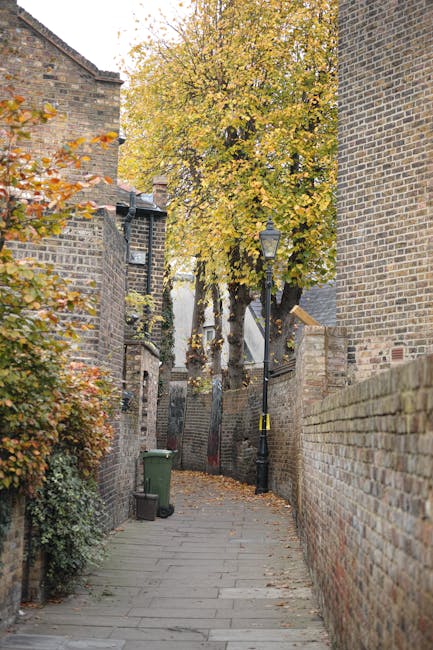
West Hampstead has plenty of streets where parking is limited, carriageways are tight, and a larger removals vehicle can feel like a poor fit from the start. That does not mean the move is difficult by default. It means the access needs to be planned properly. A wide vehicle on a narrow street can block traffic, create time pressure, and force extra carrying distance. Add a top floor flat, a tight stairwell, or a front door hidden behind railings, and the whole move gets harder very quickly.
Access issues matter because they affect almost everything else: how long the move takes, how many people are needed, what size vehicle makes sense, and whether items can be loaded safely. Even a well-packed house can become awkward if the van has to stop too far away. Truth be told, this is where a good removals plan earns its keep.
There is also a practical comfort issue. Nobody enjoys lugging a sofa down a narrow road in light drizzle while other vehicles are waiting behind them. A sensible access solution reduces the pressure on everyone involved, including the neighbours. That is especially useful in densely built parts of London where one small block can ripple into a bigger delay.
Expert summary: the best access solution is not always the biggest vehicle or the fastest route. It is the plan that balances street width, parking, walking distance, item size, and timing in one realistic move strategy.
How Narrow Street Removals West Hampstead Access Solutions Work
Good access planning starts before moving day, not on the kerb with everyone looking at each other. In practice, it usually begins with a quick assessment of the property, the road outside, and the items being moved. The goal is to match the job to the street conditions. Sounds simple, but it saves a lot of bother later.
A typical access plan will look at a few basics:
- How wide the street is and whether vehicles can pass safely
- Whether a van can stop close enough for loading
- Any parking restrictions or loading challenges nearby
- Staircase width, lift access, and internal turning space
- Whether large items need disassembly or specialist handling
- Whether a smaller vehicle, shuttle runs, or timed loading is the better choice
From there, the removals team can decide whether a man and van style setup is enough, whether a larger vehicle is better parked nearby and used more strategically, or whether the move should be broken into stages. For example, a flat on a tight street may be easier to serve with a smaller van and multiple loads than with one oversized truck that cannot sit safely near the building.
Sometimes the plan also includes packing adjustments. If bulky items are reduced, wrapped, or taken apart in advance, the access problem becomes much less dramatic. A wardrobe that arrives in two lighter sections is a lot friendlier than one solid lump that barely clears the hallway. Obvious, yes. Still often missed.
What a proper access survey looks for
A proper pre-move check is practical rather than formal. It may involve photos, a video walkthrough, measurements, and a short discussion about the street outside. The important bit is honesty. If there is a tree, a narrow bend, a low wall, or a resident's bay that is always full by 8 a.m., that needs to be known early.
Where the property is a flat, it is also useful to assess corridors, stairwells, and lift size. West Hampstead has plenty of homes where the street is only part of the problem. The building itself can be the real bottleneck. If you need a broader service picture, flat removals and house removals each bring slightly different planning needs.
Key Benefits and Practical Advantages
When access is planned well, the benefits are immediate. The move feels more controlled. People move with less rushing. Items are easier to protect. And, frankly, the whole day tends to feel less like an emergency.
- Less carrying distance: closer parking reduces the physical strain on the team and lowers the chance of bumps or scrapes.
- Lower risk of damage: fewer awkward turns and fewer hurried lifts mean furniture, walls, and door frames stay safer.
- Better time management: a realistic access plan keeps the schedule steady instead of slipping every ten minutes.
- Improved safety: predictable loading and unloading reduces trip hazards and rushing.
- More suitable vehicle choice: the move can be matched to the street, not forced into the wrong setup.
- Less stress for residents and neighbours: good access planning avoids unnecessary blockages and frustration.
There is a commercial benefit too. For business moves, especially in tight London streets, careful access planning helps reduce downtime and keeps teams focused on the actual relocation. If you are shifting a small office, it may be worth reviewing office removals or office relocation services alongside access support.
The big win is this: you are not paying for guesswork. You are paying for a move that has already been thought through.
Who This Is For and When It Makes Sense
This approach is useful for anyone moving in or around West Hampstead where the road layout is less than generous. In practical terms, that includes:
- People moving from terrace houses on narrow residential streets
- Flat movers dealing with tight access, basements, or upper floors
- Students moving in and out of compact properties
- Office teams relocating from smaller premises
- Residents with large furniture, fragile items, or awkward stair access
- Anyone needing a fast move on a day when parking is already tight
It also makes sense if you have a mix of heavy and delicate items. A piano, for example, is not something you want to improvise with in a cramped road. Specialist handling matters. If that sounds familiar, take a look at piano removals.
Sometimes people assume access solutions are only for difficult properties. Not really. Even a fairly normal move can benefit from better planning if the street is narrow or the furniture is bulky. A small amount of preparation often prevents a long, awkward morning.
Step-by-Step Guidance
Here is the cleanest way to approach a narrow-street move in West Hampstead.
- Assess the property and street outside. Look at turning space, width, parking, and where the vehicle could reasonably stop.
- List the awkward items. Sofas, wardrobes, beds, washing machines, and pianos often shape the plan more than smaller boxes do.
- Choose the right move type. A smaller vehicle or flexible loading setup may work better than forcing a larger truck into a tight space.
- Plan disassembly and packing early. Furniture that comes apart is easier to carry. Good packing also reduces the risk of damage. If you want support here, packing and boxes and packing and unpacking services can help.
- Check timing carefully. Morning traffic, school runs, and residential parking patterns can make a huge difference.
- Decide if a shuttle approach is needed. In some streets, the van parks a little further away and items are carried in controlled stages.
- Confirm special access needs. Lift dimensions, intercoms, security gates, and basement steps should all be known before arrival.
- Prepare both ends of the move. If the new address also has tight access, the load plan should reflect that. Otherwise the easy part becomes the hard part. Happens more than you'd think.
One practical tip: if you can walk the route from van to front door in a minute or less, the move is already in better shape. If it takes several minutes with awkward turns, the plan probably needs refining.
Expert Tips for Better Results
These are the small things that tend to make a noticeable difference.
- Measure the obvious troublemakers. Door widths, stair turns, lift openings, and large furniture dimensions are the measurements that actually matter.
- Use photos from both ends. A picture of the street, the entrance, and the hallway can be more useful than a long explanation.
- Keep a buffer in the schedule. Narrow access nearly always takes a bit longer than wide-open loading.
- Label fragile items clearly. When teams are moving through tight spaces, clear labelling helps everyone stay careful without slowing down too much.
- Park for the job, not for convenience. A slightly less convenient parking position can be the safer choice if it keeps traffic flowing.
- Ask about storage if timing is messy. If completion, handover, or access windows do not line up neatly, short-term storage can be a sensible bridge. See storage.
And a slightly underrated one: keep tea, water, and a phone charger somewhere obvious. I know, not glamorous. But on moving day those tiny things stop everyone from getting grumpy halfway through the afternoon.
Common Mistakes to Avoid
The biggest mistake is assuming the street will "probably be fine." That phrase has derailed more moves than it should. Narrow streets do not forgive vague planning.
- Booking the wrong vehicle size. Bigger is not always better if the road cannot handle it.
- Ignoring parking restrictions. A van that cannot stop legally or safely creates instant pressure.
- Forgetting about neighbours and traffic flow. Blocking an already tight lane can cause delays and unnecessary complaints.
- Leaving packing too late. Half-packed boxes and loose items make access problems worse because everything takes longer to move.
- Not checking stairwell or lift limitations. The street may be manageable while the building is the real challenge.
- Trying to move oversized furniture without preparation. Some items simply need dismantling before they can be carried safely.
Another common one is assuming the first loading spot is the best loading spot. Sometimes it is, sometimes it really isn't. If there is a safer place a few metres further away, that can be the better long-term choice even if it feels less convenient at first.
Tools, Resources and Recommendations
You do not need complicated equipment for a narrow street move, but the right basics help a lot. In practice, the most useful tools are the ones that reduce lifting, protect surfaces, and speed up loading.
- Furniture blankets and protective covers
- Removal straps and trolleys
- Strong boxes with clear labels
- Door-frame and floor protection where needed
- Basic tools for dismantling beds, tables, and shelving
- Reusable packing materials for fragile items
If you are moving a home and want the work split into manageable parts, it can help to combine access planning with a broader move service. For example, home moves are often smoother when packing, lifting, and transport are treated as one joined-up process rather than separate tasks.
For smaller or more flexible jobs, man with van or man with a van options can be useful where street access is limited and a lighter-footed setup makes more sense. If you have a particularly short timeframe, same-day removals may also be relevant, though tight access means that scheduling needs to be realistic.
For business moves with heavier equipment, consider whether a dedicated load plan and broader commercial moves approach would be more appropriate. Different job, different rhythm.
Law, Compliance, Standards, or Best Practice
When narrow streets and removals intersect, the main concern is usually safe, legal, and considerate operation rather than anything overly technical. In the UK, movers should work within normal road safety expectations, local parking restrictions, and sensible manual handling practice. That includes avoiding unsafe obstruction, not overloading vehicles, and making sure lifting is done with care.
Good providers will also pay attention to risk management. That is not just paperwork. It means planning the route, using suitable equipment, protecting items, and reducing the chance of slips, trips, or crush injuries. It is also normal to consider insurance and responsibility for goods in transit. If you are comparing providers, it is worth reviewing their insurance and safety information as part of your decision.
Where relevant, it is sensible to ask about company policies too. A clear health and safety policy and transparent terms and conditions tell you a lot about how the business works in practice. Not glamorous reading, admittedly, but useful reading.
For many customers, compliance is less about legal detail and more about confidence. You want the crew to turn up prepared, act professionally, and leave the place in good order. Fair enough.
Options, Methods, or Comparison Table
Different access situations call for different approaches. Here is a simple comparison to help you think it through.
| Method | Best for | Strengths | Limitations |
|---|---|---|---|
| Smaller van access | Narrow residential streets, flats, quick loads | Easier to park, more flexible, often less disruptive | May need multiple trips if the load is large |
| Larger removal vehicle | Moves with lots of furniture and space nearby | Can carry more in one run, efficient for bigger jobs | May be awkward or impossible on tight roads |
| Shuttle loading | Restricted access or blocked kerbsides | Balances road access with controlled loading | Can take longer and needs more coordination |
| Pre-dismantled furniture strategy | Bulky items, stair-heavy properties | Makes tight spaces easier to manage | Requires preparation before moving day |
| Temporary storage | Move dates that do not line up neatly | Reduces pressure, gives breathing space | Extra handling step and planning needed |
If you are unsure which method fits best, think about the street first, not the vehicle. That simple shift in thinking often leads to a better decision.
Case Study or Real-World Example
Here is a realistic example from the kind of move people face all the time in West Hampstead.
A couple moving from a first-floor flat on a narrow residential road had a sofa, a bed frame, two wardrobes, several boxes, and a few awkward plants that had somehow become "essential." There was limited roadside stopping space, and the building entrance sat just beyond a tight bend. A large truck would have been a headache. Instead, the move was planned around a smaller vehicle, pre-packed boxes, and dismantled furniture.
The team parked where it was safest, carried items in clear stages, and kept a steady pace rather than rushing. The route from flat to van was short, but not trivial, so extra blankets and careful handling mattered. The result was fairly ordinary in the best possible way: no drama, no pile-up of delays, and no scraped door frame. Sometimes that is the real success. Nothing exciting happened, which is exactly what you want.
That kind of example shows why access solutions are not just about logistics. They are about reducing friction before it starts.
Practical Checklist
Use this checklist in the days before your move.
- Measure the main furniture pieces
- Check stair width, lift size, and hallway turns
- Take photos of the street, entrance, and parking area
- Confirm whether a smaller van is more suitable
- Decide if furniture needs dismantling
- Pack fragile items securely and label boxes clearly
- Check parking restrictions and loading conditions
- Plan for neighbours, access gates, and entry codes
- Consider temporary storage if timings do not align
- Keep contact details and keys easy to reach
Quick tip: if anything about the route feels tight, assume it needs solving early rather than hoping it will look better on the day. It rarely does.
Conclusion
Narrow street removals in West Hampstead are not about brute force. They are about reading the space properly, choosing the right method, and making small adjustments that have a big effect on the day. When access is planned well, the move becomes smoother, safer, and a lot less tiring for everyone involved.
The real value of strong access solutions is simple: fewer surprises. And in a part of London where parking, road width, and building layouts can all work against you at once, that is a very good thing.
Get a free quote today and see how much you can save.
If you are comparing move types or trying to decide what level of support you need, it may also help to review removal services, removals, or pricing and quotes before you book. A little preparation now can save a lot of hassle later, and that's the honest truth.
Frequently Asked Questions
What are narrow street removals access solutions?
They are the practical steps used to make a move work in a tight or restricted street. That may include choosing a smaller van, planning parking carefully, breaking the load into stages, or dismantling large furniture before moving day.
Why is access planning so important in West Hampstead?
Because many local streets are narrow, parking is limited, and buildings can have awkward entrances. Without planning, a move can become slow, stressful, and physically harder than it needs to be.
Is a smaller van always better for narrow streets?
Not always. A smaller van is often easier to park and manoeuvre, but the right choice depends on how much you are moving and whether you would end up doing too many trips. The best option balances access with efficiency.
Can removals teams work if they cannot park right outside?
Yes. In many cases, the team can use a shuttle approach or carry items from a nearby safe parking point. It just needs to be planned properly so the move remains safe and manageable.
How do I know if my furniture needs dismantling?
If an item is too wide for a hallway turn, too tall for a stair landing, or simply awkward to carry safely, dismantling is worth considering. Wardrobes, bed frames, and some desks often benefit from it.
Are narrow street removals suitable for flats?
Very often, yes. In fact, flats are one of the most common situations where access solutions are needed, especially when the building has tight stairs, small lifts, or limited roadside space.
What should I tell the removals company before the move?
Tell them about street width, parking restrictions, stair access, lift size, bulky furniture, and anything unusual about the route from van to property. Photos are especially helpful.
Do I need storage if the access is difficult?
Not always. Storage is useful when timings do not line up, when you need to split the move, or when access on one end is too limited for everything to move at once. It is a practical backup rather than a default requirement.
How far in advance should I plan a narrow street move?
As early as you can, ideally as soon as you know the moving date. The more limited the access, the more useful early planning becomes. Leaving it to the last minute is where avoidable problems start.
What is the biggest mistake people make with access?
Assuming it will be fine on the day. That is the one. Access issues are often small in theory and very annoying in practice, so they deserve proper attention before the move starts.
Can access solutions reduce moving costs?
They can help avoid wasted time, damage, and extra labour caused by poor planning. While every move is different, a well-organised access plan often makes the job more efficient overall.
Should I mention parking concerns during the quote stage?
Definitely. Pricing and timing are more accurate when the company knows whether a van can stop nearby or whether the crew will need to carry items further. It helps prevent awkward surprises later.
If you want to explore more practical move support, look at home moves for household relocations, house removalists for more hands-on help, or student removals if you are moving a lighter load on a tighter schedule. Different move, different rhythm.